Northern Rivers Rail Trail Burringbar: Tunnel, Route & What to Expect

Updated: Sep 29
If you're planning to explore the Northern Rivers Rail Trail Burringbar section, you're in for more than a straightforward ride or walk.
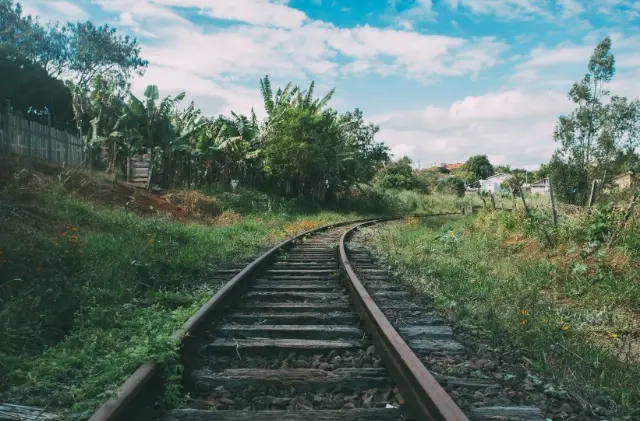
Burringbar sits within the 24 km Tweed section of the Northern Rivers Rail Trail, which runs between Murwillumbah and Crabbes Creek. Along the route, you'll pass through rural landscapes, small villages, bridges and tunnels, with Burringbar providing an access point and an opportunity to explore the surrounding area.
Whether you're cycling, walking or simply looking for a different way to experience the Northern Rivers, the Burringbar section combines railway history, natural scenery and village character.
Here's what to know before you go.
Quick Summary
The Burringbar area forms part of the 24 km Murwillumbah-to-Crabbes-Creek section of the Northern Rivers Rail Trail. Burringbar is an official access point and sits between Upper Burringbar and Mooball on the route.
The trail around Burringbar includes a mix of compacted gravel and sealed asphalt, with the Burringbar Range Tunnel and Burringbar South Bridge among the notable features nearby. The Burringbar Range Tunnel is approximately 524 metres long and is not lit, so visitors should carry a torch or other suitable light. Cyclists are advised to dismount when travelling through the tunnel.
Burringbar village itself retains a small-village character, with a general store, craft, roadside fruit stalls and a central park. This makes it more than simply a point on the Rail Trail map.
Where Does Burringbar Fit Into the Northern Rivers Rail Trail?
The Northern Rivers Rail Trail's Tweed section runs for approximately 24 km from Murwillumbah Railway Station to Crabbes Creek.
The route connects:
Murwillumbah → Tweed Regional Gallery → Stokers Siding → Upper Burringbar → Burringbar → Mooball → Crabbes Creek
Burringbar Station is approximately:
18.7 km from Murwillumbah Railway Station
3.3 km from Upper Burringbar Station
2.15 km from Mooball Station
5 km from Crabbes Creek Station
This makes Burringbar a practical starting point if you don't want to tackle the entire 24 km section in one outing.
You can choose a shorter section, explore the village and surrounding area, or use Burringbar as one part of a longer Rail Trail itinerary.
What Is the Trail Like Around Burringbar?
One of the defining features of the Tweed section is the variety of surfaces.
Across the full 24 km route, approximately 6 km is sealed asphalt and 18 km is compacted gravel. The sealed sections include the stretch between Burringbar and Mooball.
For cyclists, the surface is worth considering when planning your ride and choosing your equipment.
For walkers, the surface and distance should also influence how much of the route you plan to cover in a day.
The Rail Trail is relatively flat overall because it follows the former railway corridor. Most of the Tweed section has a maximum grade of around 4.5%, although some shorter sections around bridge bypasses can be steeper.
So while the route is not a mountain trail, you should still plan around your own pace, fitness and the distance you want to cover.
Whether you're cycling or walking, avoid treating the distance as a strict target. Allow time for rest stops, photographs, food and changes in pace. If you're travelling with someone who prefers a slower itinerary, choosing a shorter section can make the experience more enjoyable than trying to cover the maximum distance in one day.
Burringbar Range Tunnel: One of the Highlights
The Burringbar Range Tunnel is one of the most distinctive features around this part of the Rail Trail.
The tunnel is approximately 524 metres long and provides a dark, enclosed section of the former railway corridor. It is also habitat for glow worms and microbats.
The Tunnel Is Not Lit
The tunnel has no lighting, so visibility is low once you're inside.
The official Rail Trail guidance recommends bringing a torch or other suitable light. Cyclists are advised to dismount when travelling through the tunnel, and visitors should move through quietly to respect the wildlife habitat.
This is one of those details worth knowing before you arrive rather than discovering it at the tunnel entrance.
How Do You Access the Burringbar Range Tunnel?
The tunnel isn't directly accessed from every nearby road.
The official Rail Trail information recommends parking at Upper Burringbar and travelling approximately 2.4 km to the tunnel entrance.
It also warns that Tunnel Road is for local resident traffic and does not provide access to the Rail Trail or the tunnel. Visitors should not attempt to access the trail through private property.
If the tunnel is one of your main reasons for visiting this part of the trail, check the current access information before setting out.
Burringbar South Bridge and the Surrounding Scenery
The Burringbar area isn't only about the tunnel.
The Rail Trail includes several bridges and scenic points along the Tweed route, with Burringbar South Bridge providing a picturesque point overlooking the creek below.
Because the trail follows the former railway alignment, travelling by bike or on foot gives you a different perspective on the surrounding landscape than travelling by car.
You can take in the vegetation, waterways, bridges and changing scenery at a slower pace rather than simply passing through the area.
For cyclists, that can mean a more relaxed ride.
For walkers, it provides more opportunities to stop and enjoy the surroundings.
How Long Do the Sections Around Burringbar Take?
You don't need to guess how long each part might take.
The official Rail Trail distance guide provides approximate times based on average walking and cycling speeds.
For example:
Section | Distance | Walking | Leisure Cycling |
Upper Burringbar → Burringbar | 3.3 km | ~40 min | ~13 min |
Burringbar → Mooball | 2.15 km | ~26 min | ~9 min |
These are one-way estimates and don't include additional time for photographs, rest stops, food or anything unexpected.
If you're planning a return trip, remember to account for the distance back as well.
This makes the Burringbar area suitable for people who want to experience a shorter section rather than committing to the full 24 km.
What Can You Expect at Burringbar Village?
The Rail Trail isn't isolated from the communities around it.
Burringbar retains a small-village atmosphere and is described by the official Rail Trail site as a stop-off point with a general store, craft, roadside fruit stalls and a central park with a historic monument.
If you're stopping in Burringbar during your Rail Trail outing, allow some extra time to explore the village rather than treating it simply as a point to pass through.
The broader Burringbar area also provides access to natural surroundings, including Cudgera Creek and the hinterland environment.
Local business opening hours and services can change, so check current information before relying on a particular shop or service during your trip.
Cycling or Walking the Burringbar Section?
The Burringbar section can work for different types of visitors, but your preparation should match how you're using the trail.
If You're Cycling
Consider:
The mixture of sealed and compacted-gravel surfaces
The distance you want to cover
Your planned pace
Water and food
A basic repair kit
A suitable light for the tunnel
Other trail users
The Rail Trail is a shared recreation trail, so keep left and give other users enough room when passing.
If You're Walking
Consider:
How far you want to walk
Your return route
Weather conditions
Water
Comfortable footwear
Time for rest stops
You don't have to cover a huge distance to enjoy the area.
Choosing a shorter section can make the experience more relaxed and give you more time to explore Burringbar itself.
What Should You Bring?
A little preparation can make the Burringbar section much more enjoyable.
Water
Water is available at designated points, including Burringbar and Mooball, but carrying your own supply is still sensible.
Torch or Light
This is particularly important if you plan to enter the Burringbar Range Tunnel because it is unlit.
Appropriate Footwear
Choose footwear that suits your planned activity and the trail surface.
Food and Snacks
If you're planning a longer outing, bring enough food for your intended distance and stops.
Phone and Basic Safety Supplies
It's sensible to have a charged phone and any basic items you normally carry for an outdoor day trip.
Cycling Essentials
Cyclists may also want to carry basic repair equipment and check their bike before setting out.
Most importantly, check the official Rail Trail website for current alerts, access information and conditions before your visit.
Make Burringbar Part of a Bigger Northern Rivers Getaway
The Burringbar section can easily become one part of a broader Northern Rivers trip.
You don't have to spend your entire getaway on two wheels.
You could combine time on the Rail Trail with exploring Burringbar, visiting nearby natural areas and spending time in the surrounding hinterland.
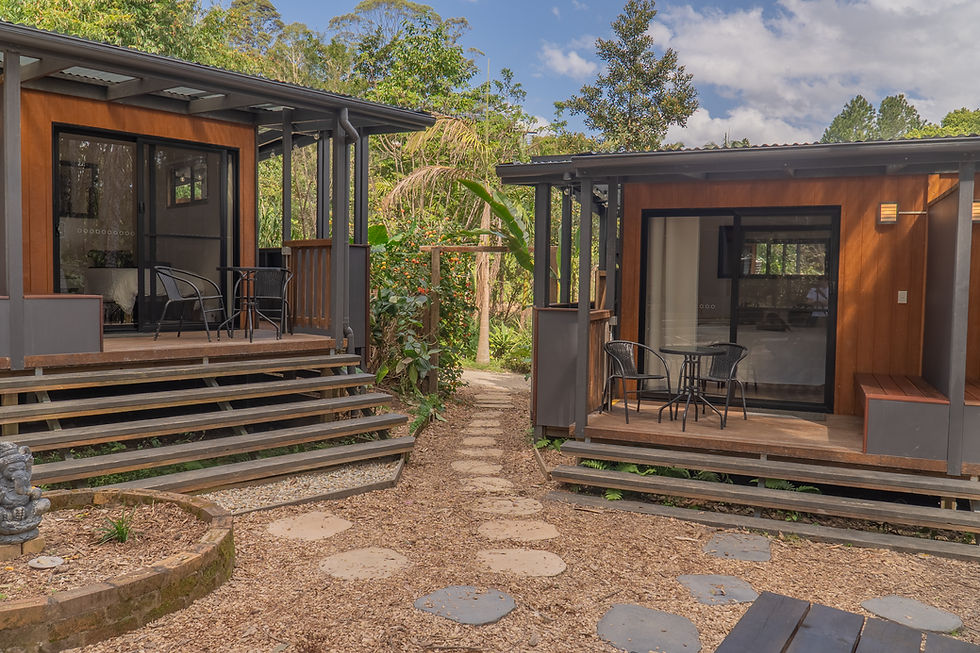
For travellers looking for a quieter place to stay while exploring the area, Sanctuary Burringbar offers eco-cabin accommodation on a 10-acre property along Cudgera Creek.
The property includes forest, gardens, outdoor areas, communal spaces and a natural natural waterhole, giving guests a place to spend time between exploring the region.
The exact distance or travel time from Sanctuary to a particular Rail Trail access point should be checked when planning your trip rather than assumed from a general location description.
Frequently Asked Questions About the Northern Rivers Rail Trail Burringbar Section
Where Is Burringbar on the Northern Rivers Rail Trail?
Burringbar is part of the 24 km Tweed section between Murwillumbah and Crabbes Creek. Burringbar Station sits approximately 18.7 km from Murwillumbah Railway Station, 3.3 km from Upper Burringbar and 2.15 km from Mooball.
Is Burringbar an Access Point for the Rail Trail?
Yes. Burringbar is one of the access points along the Tweed section. The Rail Trail provides access and parking information for the Burringbar area, including Burringbar Memorial Reserve and Masterson Park. Check the current official access information before your visit.
How Long Is the Burringbar Range Tunnel?
The Burringbar Range Tunnel is approximately 524 metres long. The tunnel is unlit and provides habitat for glow worms and microbats.
Do You Need a Torch for the Burringbar Range Tunnel?
Yes. The tunnel is not lit, so visitors should bring a torch or other suitable light. Cyclists are advised to dismount while travelling through the tunnel.
Is the Burringbar Section Suitable for Cycling?
Yes. The Tweed section is open to cyclists and includes both sealed asphalt and compacted gravel surfaces. The Rail Trail is relatively flat overall, although some shorter sections have steeper grades.
Can You Walk the Burringbar Section?
Yes. Walking is one of the activities supported on the Northern Rivers Rail Trail. The Burringbar-to-Mooball section is approximately 2.15 km, while Upper Burringbar to Burringbar is approximately 3.3 km.
Is Burringbar Worth Visiting Beyond the Rail Trail?
Burringbar retains a small-village atmosphere, with a general store, craft, roadside fruit stalls and a central park. The surrounding area also provides access to the broader Northern Rivers hinterland and natural environment.
Explore the Northern Rivers Rail Trail Burringbar Section
The Northern Rivers Rail Trail Burringbar section offers a combination of outdoor activity, railway history, village character and natural scenery.
You can cycle or walk a manageable section rather than trying to cover the entire route, explore the Burringbar Range Tunnel, stop around the village and take time to enjoy the surrounding landscape.
Before you go, check the current Rail Trail alerts and access information, plan your distance around your pace, carry water, and bring a light if you're entering the Burringbar Range Tunnel.
And if you're planning to turn your Rail Trail visit into a longer Northern Rivers getaway, consider staying somewhere that lets you experience more of the region beyond the trail.
For travellers looking for a quieter hinterland base, Sanctuary Burringbar's eco-cabin accommodation provides a nature-focused place to stay on a 10-acre property along Cudgera Creek.
Explore Sanctuary Burringbar's accommodation to see the available facilities and enquire about your preferred dates.
Comments